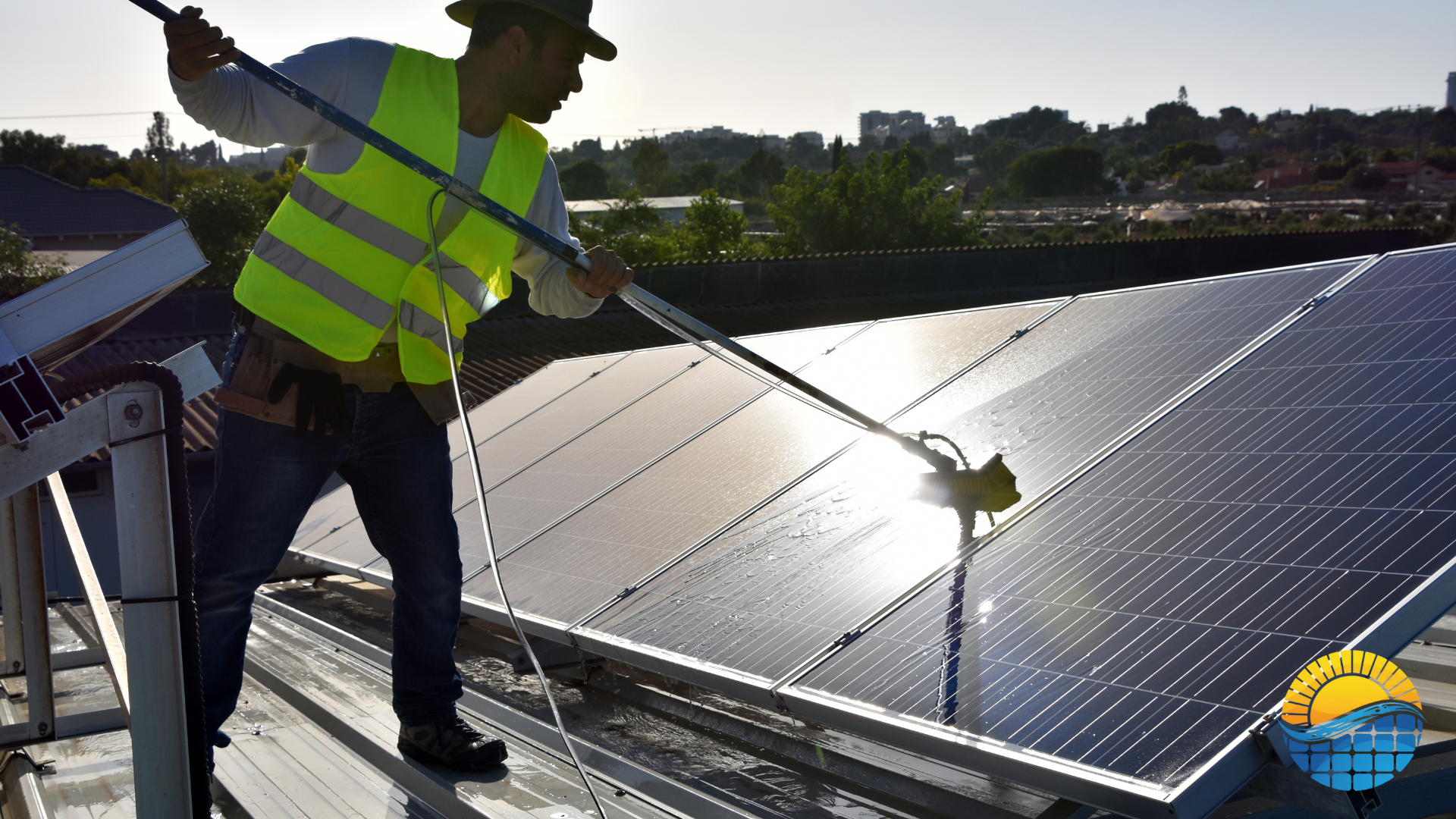
How To Clean Solar Panels Like a Pro: The Complete Guide
By Adam, Founder, CleanMySolarPanels · June 21, 2025
Cleaning solar panels like a pro comes down to three things: shut the system down first, use a soft brush and plain or purified water, and never touch a pressure washer. The pros' real edge is deionized water that dries spot-free — but a careful DIY clean with a garden hose, soft brush, and squeegee gets close.
Why bother? NREL puts typical annual soiling loss at about 5% of output — closer to 7% in dusty areas and near 10% where pollen is heavy. Professional cleaning typically runs $110–$320, and in high-electricity-rate states like California, dirty panels can cost you nearly $200 a year.
Below: what soiling actually costs, the DIY-vs-pro tradeoff, a safe 7-step cleaning method, and how often to clean for your region.
A Comprehensive Guide to Maximizing Your ROI, Protecting Your Warranty, and Deciding Between DIY and Professional Services
As a homeowner with a solar panel system, you’ve made a brilliant investment in your energy future. It’s a power plant on your roof, promising lower bills and a greener footprint. But a silent thief could be undermining your investment right now: a thin layer of dust, pollen, and grime that accumulates daily. This isn’t just a cosmetic issue—it’s actively robbing your system of its efficiency and costing you money.
This raises a critical question: how do you fight back against this efficiency-draining buildup? Is a quick spray with a garden hose enough, or does this important task require a professional touch?
At CleanMySolarPanels.com, we’re here to help you navigate these questions. We’re the leading online directory dedicated to connecting homeowners like you with local, reputable solar panel cleaning professionals. This guide will walk you through the real costs of dirty panels, the great debate between DIY and professional services, and how to find the right solution for your home.
Part 1: The Surprising Cost of a Dirty Panel: More Than Meets the Eye
Before we talk about how to clean your panels, let’s understand why it’s a critical part of managing your home’s most valuable assets. The stakes are higher than you might think, going beyond energy loss to include permanent damage and voided warranties.
How Grime Robs Your ROI: The Science of Soiling Loss
Solar panels work by converting sunlight into electricity. Anything that blocks that sunlight reduces the amount of power your system can generate. This obstruction, known as “soiling,” can include dust, pollen, bird droppings, and pollution.
While a little dust might only cause a 1-5% loss, studies from respected bodies like the National Renewable Energy Laboratory (NREL) show a harsher reality. NREL puts typical annual soiling loss at about 5% of output, ranging from roughly 2% in wet climates to 7% where it is dusty or traffic-heavy. Pollen-heavy regions are the exception — NREL measured near 10% across a year there, with peaks around 15%. Larger figures circulate widely, but they come from desert utility plants and heavy industry rather than from houses.
A common myth is that rain is enough to keep panels clean. While a downpour helps, it often can’t remove sticky pollen or oily soot. In fact, rainwater can mix with grime to create a muddy film that gets left behind, especially on low-tilt panels.
The Financial Breakdown: Calculating Your “Soiling Loss”
Reduced efficiency means less energy produced, which translates directly into financial loss. You can estimate your personal “soiling loss” with a simple formula:
Annual Financial Loss = (Annual System Production in kWh) × (Regional Soiling Loss %) × (Your Local Electricity Rate in /kWh)
This formula shows that the penalty for dirty panels is much higher in states with high electricity costs. The table below estimates the annual financial loss for a typical 6kW residential system (producing about 8,400 kWh/year) with a moderate 7% soiling loss, based on May 2026 residential electricity rates from the U.S. Energy Information Administration (EIA).
| State | Average Residential Electricity Rate (¢/kWh) | Estimated Annual Financial Loss |
| Hawaii | 41.11 | $241.72 |
| Connecticut | 32.55 | $191.39 |
| California | 32.41 | $190.57 |
| Massachusetts | 30.19 | $177.51 |
| New York | 25.43 | $149.52 |
| Texas | 15.30 | $89.96 |
| Florida | 15.09 | $88.73 |
| U.S. Average | 17.11 | $100.60 |
| North Dakota | 11.08 | $65.15 |
Data based on analysis from the U.S. Energy Information Administration and other market data.
As you can see, a homeowner in California could be losing nearly $200 a year. This reframes the cost of professional solar panel cleaning—typically $150 to $350—not as an expense, but as an investment that can often pay for itself in under a year.
The Warranty Trap: How Neglect Can Cost You Thousands
The worst consequence of dirty panels is the risk of “hot spots.” When a small area of a panel is heavily soiled (like with caked-on bird droppings), that cell stops producing power. The current from the other cells is forced through this non-producing cell, generating intense heat. This can cause irreversible damage, including cracked glass, melted solder joints, and even a fire hazard.
This creates a dangerous catch-22 for your warranty:
- Voided by Neglect: If a panel fails due to a hot spot caused by dirt, the manufacturer can argue you failed to perform basic maintenance, voiding the warranty.
- Voided by Improper Cleaning: Using a pressure washer, abrasive brush, or harsh chemicals can also cause damage not covered by the warranty.
Both inaction and improper action can lead to a disastrous financial outcome, making a strong case for relying on warranty-compliant professional cleaning.
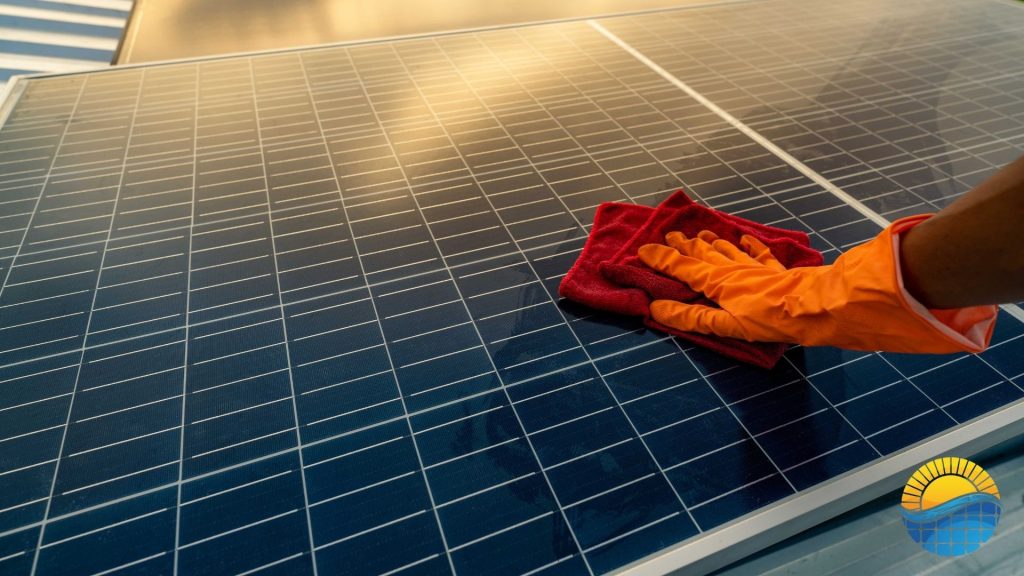
Part 2: The Great Debate: DIY vs. Professional Solar Panel Cleaning
Now that you know the stakes, who should do the cleaning? Let’s weigh the pros and cons of tackling it yourself versus hiring a local expert.
The Allure of DIY: Cost, Control, and Convenience
The motivation for a DIY approach is clear: saving money on service fees, cleaning on your own schedule, and having direct control over your home maintenance.
The Reality of DIY: A High-Stakes Balancing Act
While appealing, DIY solar panel cleaning is filled with risks that can easily outweigh the benefits.
- Personal Safety: Working on a roof is inherently dangerous. According to the CDC, falls remain a leading cause of unintentional injury mortality nationwide. A wet, soapy surface dramatically increases that risk. Professionals use extensive safety gear, including harnesses and fall protection, that most homeowners don’t own.
- Electrical Hazards: Your system generates DC electricity even on cloudy days. A small crack or frayed wire can create a serious electrocution risk. This is why a complete system shutdown is the first and most critical step.
- Risk of Panel Damage: Well-intentioned cleaning can cause costly, irreversible damage.
Thermal Shock: Spraying hot panels with cold water can cause a rapid temperature change that leads to microcracks in the glass, a phenomenon known as thermal shock.
Abrasive Damage: Using a hard brush or even a cloth in a sandy area can create micro-scratches on the anti-reflective coating, permanently reducing efficiency.
Chemical Damage: Household cleaners can strip protective coatings and corrode the aluminum frame.
Pressure Damage: A pressure washer can force water past seals, leading to internal corrosion and panel failure.
Water Quality Damage: Using hard tap water leaves behind mineral spots (limescale) that block sunlight.
The Professional Advantage: Expertise, Equipment, and Peace of Mind
Hiring a professional solar panel cleaner systematically eliminates these risks while delivering a superior result.
- Safety and Insurance: Professionals are trained, certified, and fully insured. This removes all risk of injury and liability from you.
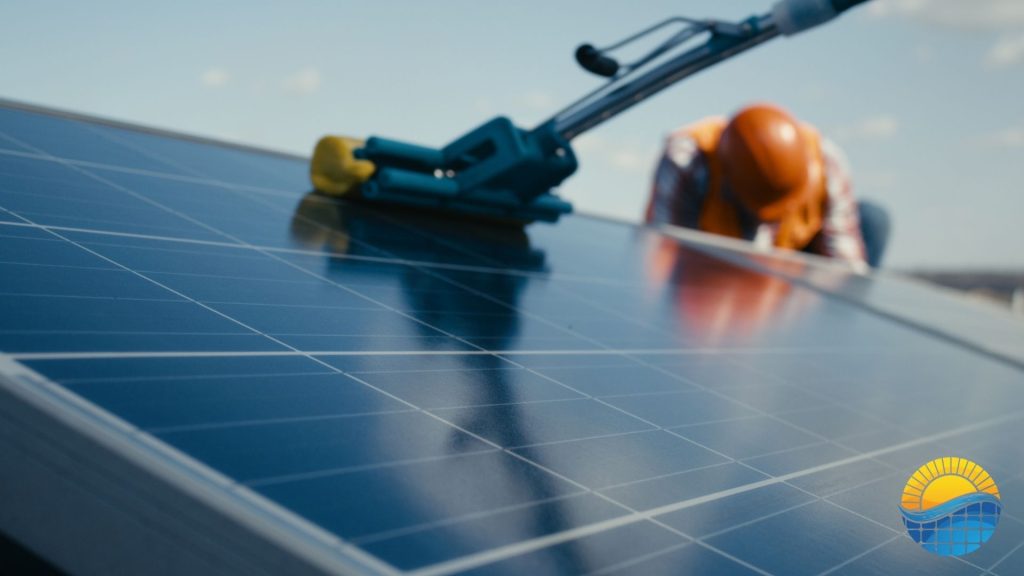
- Specialized Equipment: They use tools like water-fed poles to clean safely from the ground and, most importantly, connect them to water purification systems (Deionized or Reverse Osmosis) for a streak-free finish that tap water can’t match.
- Efficiency and Effectiveness: An experienced crew can clean your entire array far more quickly and thoroughly than a DIY attempt.
- The Inspection Bonus: A trained technician will spot potential issues like loose wiring, cracked cells, or pest infestations that a homeowner might miss, saving you from costly future repairs.
- Warranty Compliance: Using a reputable professional provides a documented record of proper maintenance, protecting your warranty.
| Factor | DIY Approach | Professional Service |
| Personal Safety | High Risk (falls, electrical shock) | Very Low Risk (trained & insured) |
| Panel Damage Risk | High (thermal shock, scratches, etc.) | Very Low (uses approved methods) |
| Warranty Risk | High (improper methods void warranty) | Very Low (proof of proper maintenance) |
| Cleaning Effectiveness | Low to Moderate (leaves mineral spots) | High (spotless, residue-free finish) |
| Long-Term Cost-Effectiveness | Low (risk of damage outweighs savings) | High (maximizes energy & protects asset) |
The fee for a professional service isn’t just for cleaning; it’s an investment in the safety, efficiency, and longevity of your solar array.
Ready to protect your investment? Don’t risk it. Use the CleanMySolarPanels.com directory to find a qualified and insured solar panel cleaner near you.
Part 3: The Ultimate DIY Guide: How to Clean Your Panels (Safely)
If you understand the risks and are still determined to clean your panels yourself, following a strict, safety-first protocol is essential.
Prep School: Timing, Weather, and Safety First
Check Your Warranty: First, read your manufacturer’s warranty. It may contain specific guidelines or prohibitions about cleaning.
Shut Down the System: Follow the manufacturer’s specific procedure to completely shut down the entire system (both AC and DC disconnects) to eliminate electrical risks.
Choose the Right Time: Clean in the early morning, late evening, or on a cool, overcast day to avoid thermal shock and prevent solutions from drying too quickly.
Assemble Safety Gear: At a minimum, you need a sturdy ladder, non-slip shoes, work gloves, and a spotter on the ground. For work at height, reference OSHA guidelines for ladder safety. A safety harness is strongly recommended if you must get on the roof.
The Pro-Approved DIY Toolkit
- Water Source: A standard garden hose with a gentle shower/mist nozzle setting.
- Brush/Sponge: A soft-bristled brush or microfiber cloth on a telescopic extension pole.
- Cleaning Solution: Plain water is safest. For tougher grime, use a few drops of mild, pH-neutral dish soap in a bucket of water.
- Squeegee: A soft rubber squeegee on an extension pole to prevent water spots.
The 7-Step Method for a Spotless, Safe Clean
System Shutdown & Safety Check: Double-check that the system is off and your safety gear is secure.
Initial Rinse: Gently rinse the panels from top to bottom with the hose to remove loose debris.
Apply Cleaning Solution: Working in small sections, apply your soap solution with the soft brush.
Gentle Scrub: Use light, circular motions. Do not apply heavy pressure and don’t let the soap dry on the panel.
Thorough Rinse: Immediately rinse the section completely with clean water.
Squeegee Dry: While wet, pull the squeegee down in smooth, overlapping strokes to prevent water spots.
Final Inspection & Power Up: Once dry, inspect your work, then follow the manufacturer’s procedure to safely power the system back on.
The “Do Not Use” Blacklist
To prevent permanent damage and protect your investment, NEVER use:
- High-Pressure Washers
- Abrasive Tools (hard brushes, scouring pads)
- Harsh Chemicals (bleach, ammonia, strong detergents)
- Wax or Sealants (unless approved by the manufacturer)
- Your Body Weight (Do NOT walk or kneel on panels)
Part 4: State-by-State Soiling: A Regional Guide to Cleaning
The best solar panel maintenance schedule depends entirely on your local environment. Understanding your regional challenges highlights the value of hiring a local professional who is an expert in tackling them.
| Region/Climate Zone | Primary Soiling Type | Key Risk | Recommended Cleaning Frequency |
| Desert/Arid (Southwest) | Fine Dust, Sand | Abrasion, “Cementation” | Every 3-6 Months |
| Coastal (CA, FL, Coasts) | Salt Spray | Corrosion of Panels & Hardware | Every 3-6 Months |
| Rural/Agricultural (Midwest) | Sticky Pollen, Bird Droppings | Adhesion, Hot Spots, Acid Etching | Every 6-12 Months |
| Urban/Industrial (Metro Areas) | Oily Soot, Pollution Film | Non-Water-Soluble Grime | Every 6-12 Months |
This regional breakdown makes it clear: a local pro doesn’t just know how to clean, they know what they’re cleaning off and why it’s a threat in your specific area. Their local expertise is invaluable for proper solar panel maintenance.
Part 5: What “Cleaning Like a Pro” Really Means: The Professional Difference
The true professional advantage lies in superior technology and a more holistic approach.
The Gold Standard: Purified Water
The biggest technical advantage professionals have is their use of purified water. Tap water leaves behind mineral deposits (limescale) that block sunlight. Professionals utilize mobile filtration systems to create either Deionized (DI) Water or water purified through Reverse Osmosis (RO)__.
Both processes remove the dissolved minerals that cause spotting. This pure water aggressively dissolves grime and evaporates without leaving any residue, ensuring maximum solar energy efficiency.
Advanced Tools of the Trade
Professionals use equipment like lightweight, carbon-fiber water-fed poles that allow them to safely and effectively clean even second-story roofs from the ground. This combination of safety and technology is far beyond a typical DIY setup.
Your Smartest Move: Protect Your Investment with Professional Care
The evidence is undeniable. Keeping your solar panels clean is essential to protect your investment and get the financial returns you expect. Soiling degrades production, creates hot spots that cause physical damage, and can even void your warranty.
While a DIY cleaning is possible, the risks of personal injury and panel damage are significant. The safest, most effective, and ultimately most valuable solution is to hire a professional.
The decision to invest in solar was a smart one. The next smart move is to protect that investment. Don’t wait for your energy production to drop.
Ready to maximize your solar savings? CleanMySolarPanels.com makes it easy. Use our trusted directory to find and compare quotes from qualified, insured, and reputable local solar panel cleaning experts in your area. Get your quote today and let your panels shine!
How Often, By Climate and Roof Pitch
Cleaning frequency is not one number. It depends on what is falling on the panels and on how steeply they sit — a low-pitch array holds water, dust and needle litter that a steeper one sheds. Use this as a starting cadence, then adjust to what you actually see on the glass.
| Environmental Profile | Panel Tilt: Flat to Low (<15∘) | Panel Tilt: Medium to High (>15∘) |
| Arid / Desert / Agricultural | Quarterly (Every 3-4 months) | Bi-Annually (Every 6 months) |
| Urban / Industrial / Near Highways | Bi-Annually (Every 6 months) | Annually to Bi-Annually |
| Coastal (Salt Spray) | Bi-Annually, with more frequent fresh water rinses | Annually, with periodic fresh water rinses |
| Temperate with High Pollen/Debris | Bi-Annually (especially after pollen season) | Annually (especially after pollen season) |
| Temperate with Low Debris & Regular Rain | Annually | As needed based on performance monitoring |
Anything under roughly 15° of tilt behaves like a shelf rather than a windscreen: rain pools instead of running off, and it dries in place leaving the minerals behind. If your array is close to flat, take the shorter interval in every row.
Frequently Asked Questions (FAQ)
How often should I really clean my solar panels?
This depends on your local environment. A general guideline is once or twice a year. However, dusty regions may require cleaning every 3-6 months. The best indicator is a sustained drop in your system’s energy output that isn’t related to weather.
Is rain really not enough to clean my solar panels?
No. Rain can’t remove sticky substances like pollen, bird droppings, or oily pollution. In some cases, light rain can mix with dust and make soiling worse after the water evaporates.
Can I use a pressure washer to clean my solar panels?
Absolutely not. The high pressure can crack the glass, damage the cells, and force water past the seals, causing system failure. Using a pressure washer will almost certainly void your warranty.
Will cleaning my solar panels myself void the warranty?
It can. If you cause damage by using improper methods (abrasive brushes, harsh chemicals), that damage won’t be covered. The safest way to ensure warranty compliance is to use a professional, insured service that provides a record of proper maintenance.
What is the best cleaning solution for DIY?
The safest option is plain water (distilled is best). If needed, use a few drops of mild, biodegradable dish soap in water. Always rinse thoroughly and never use harsh chemical cleaners.