How To Clean Snow Off of Solar Panels, Safely
By Adam, Founder, CleanMySolarPanels · June 21, 2025
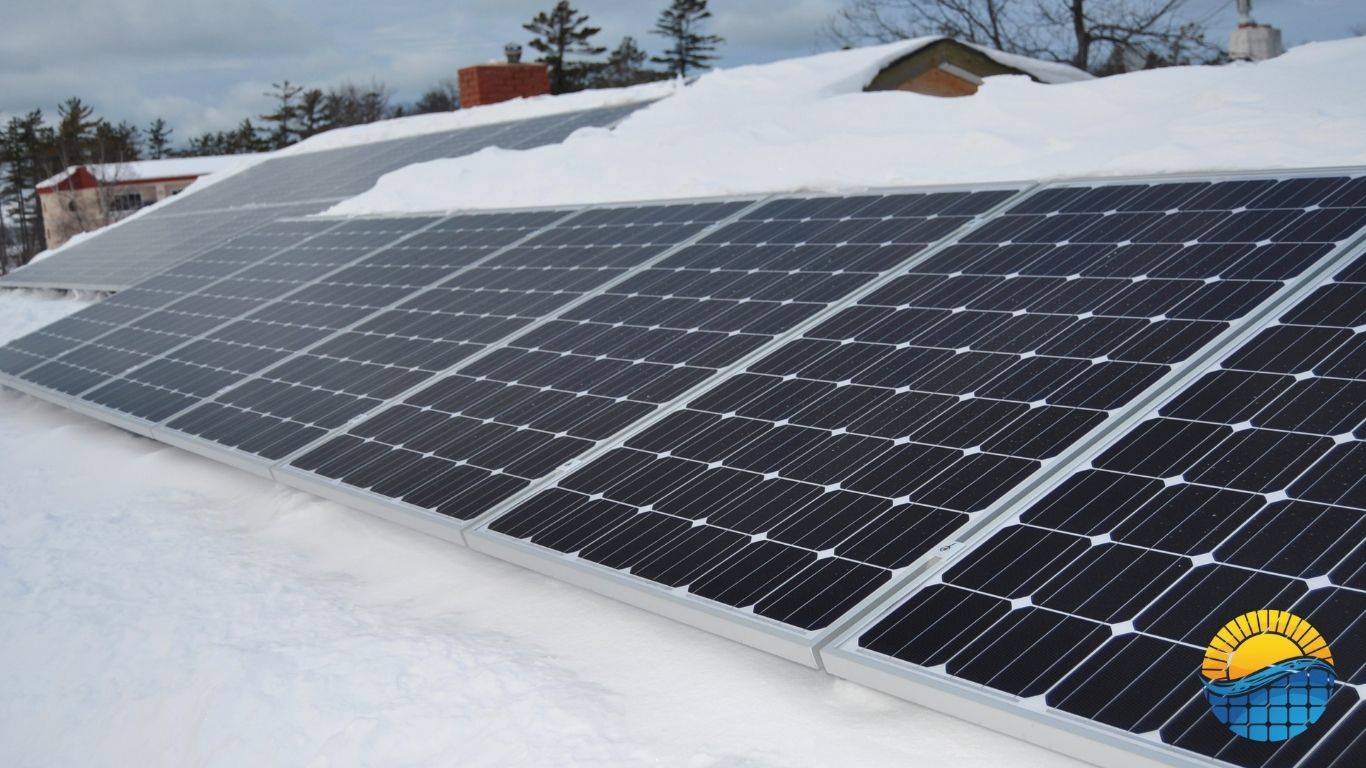
The only safe way to clear snow off solar panels is from the ground, using a soft foam snow rake or broom on a telescoping pole — never by climbing onto an icy roof. And often you don't need to clear it at all: panels are dark and absorb sunlight, so a light covering usually slides or melts off on its own within hours, and measured snow losses run roughly 1–12% of annual output depending on climate.
When thick cover parks production at zero for days, though, careful ground-level removal — or a local professional — starts to make sense.
Below: when to leave the snow alone, when to act, the never-do list, and a step-by-step for safe raking from the ground.
How to Clean Snow Off Solar Panels Safely: The 2025 Winter Guide
Winter arrives with a beauty all its own, blanketing the world in a serene layer of white. But for a homeowner with solar panels, that beautiful blanket of snow can bring a flurry of questions and concerns. If your rooftop array is currently buried under a few inches of powder, you’re likely wondering: Is this costing me money? Do I need to get up there and clear it off? And most importantly, how do I do it safely?
You’ve invested in solar energy to save money and power your home cleanly. The last thing you want is for winter weather to put a freeze on those benefits. Here at CleanMySolarPanels.com, we understand. While we don’t clean the panels ourselves, we are the leading online directory designed to connect you with local, reputable professionals who do. This guide will walk you through everything you need to know about dealing with snow on your solar panels, helping you make the best decision for your system and your safety.
The Great Debate: To Clear or Not to Clear?
The first question most solar owners ask is whether it’s even necessary to remove snow. The answer, frustratingly, is: it depends. There are compelling arguments for both letting nature take its course and for taking action.
The Case for Letting It Be
In many situations, the safest and most sensible approach is to simply wait. Solar panels are designed to withstand significant weather challenges.
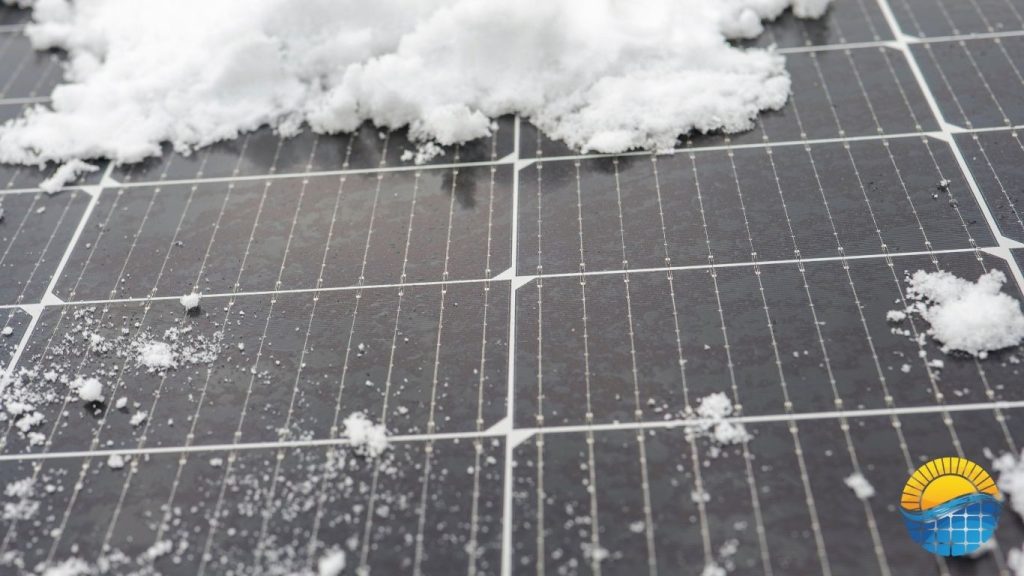
- Natural Melting: Solar panels are dark and designed to absorb sunlight. Even with a layer of snow, some UV rays penetrate, warming the surface of the panel. This often creates a thin layer of water between the panel and the snow, allowing the snow to slide off on its own, especially if your panels are installed at a steep tilt (typically 35 degrees or more). This process is often called “sluffing.”
- Safety First: This cannot be overstated. Climbing onto an icy, slippery roof in winter is incredibly dangerous. No amount of lost energy production is worth a serious injury. If you can’t reach your panels safely from the ground, waiting is almost always the best option.
- The Albedo Effect: In cases of light, fluffy snow, something interesting can happen. The snow on the ground around your panels can act like a mirror, reflecting sunlight up onto the panels, which can sometimes give your production a slight boost once they are clear.
- Free Cleaning Service: When the snow slides off, it often takes a layer of accumulated dust and grime with it, giving your panels a gentle, natural cleaning.
The Case for Removing the Snow
While patience is often a virtue, there are times when actively removing snow makes financial and practical sense.
- Significant Energy Loss: A thick, opaque layer of snow blocks light completely and production goes to zero until it clears. A light dusting is a different matter — panels are dark, they absorb what light gets through, and a thin covering usually slides or melts off on its own within hours. Across a full year, measured snow losses run from roughly 1% to 12% of annual output depending on climate, even though an individual midwinter month under sustained cover can be close to a total loss. The winter-long figure is what matters for your bill; the single bad week is what matters for your patience. For those who rely on solar to power their homes off-grid, this isn’t just an inconvenience; it’s a critical power issue.
- Weight and Stress: Modern solar panels are built tough, engineered to handle a substantial weight load (often upwards of 40 pounds per square foot). However, in regions that experience exceptionally heavy and wet snowfalls, the accumulated weight could theoretically put stress on the racking system or the roof structure itself, although this is rare for professionally installed systems.
- Ice Dam Formation: If snow partially melts and then refreezes along the edge of your panels, it can create ice dams. This can prevent further snow from sliding off and, in some cases, direct meltwater where you don’t want it to go.
Snowy Hotspots: Where This Matters Most
For homeowners in sun-drenched states, this conversation is purely academic. But for millions in the snowbelt regions of the United States and Canada, it’s a very real winter dilemma.
- In the United States: Cities like Syracuse, New York (averaging over 120 inches of snow annually), Buffalo, New York, and Marquette, Michigan, are no strangers to lake-effect snow that can bury everything, including solar arrays. High-elevation communities like Valdez, Alaska (with a staggering 300+ inches), Truckee, California, and Crested Butte, Colorado, also face massive snowfalls where clearing panels can be crucial for maintaining power.
- In Canada: The issue is even more widespread. Saguenay and Quebec City, Quebec, along with St. John’s, Newfoundland and Labrador, consistently top the charts for the highest snowfall, often exceeding 300 cm (about 120 inches) annually. Homeowners in these locations are well-versed in the battle against snow accumulation.
If you reside in these or similar snowy climates, having a snow removal plan for your solar panels is a key part of your winter preparedness.
How to Clean Snow Off Solar Panels: The DIY Safety Checklist
If you’ve weighed the options and decided that removing the snow is necessary, your absolute top priority must be safety. Damaging your panels or, worse, injuring yourself, will always be more costly than a few days of lost energy production.
NEVER Do This:
- NEVER Use a standard metal roof rake. These can easily scratch, crack, or shatter the glass surface of your panels, voiding your warranty and leading to expensive repairs.
- NEVER climb on your roof in icy or snowy conditions. The risk of a fall is far too high.
- NEVER use hot water. The thermal shock from pouring hot water on a cold glass panel can cause it to crack.
- NEVER use harsh chemicals or de-icing salts. These can damage the anti-reflective coating on the panels and corrode the aluminum frame.
- NEVER try to “chip away” at ice. This is a guaranteed way to cause impact damage.
The SAFE Way to Remove Snow:
The only recommended method for DIY snow removal is to do it from the ground using a tool specifically designed for the task.
- Get the Right Tool: The gold standard is a solar panel snow rake or a soft foam snow broom. These tools feature a long, telescoping pole that allows you to stay firmly on the ground. The head is made of a non-abrasive material, like dense foam or soft rubber, that won’t scratch the panel’s surface.
- Check Your Surroundings: Before you start, ensure the area below the panels is clear of people, pets, and fragile objects. A large sheet of snow sliding off the roof can be surprisingly heavy and destructive.
- Use a Pulling Motion: Stand to the side of the panels, not directly underneath them. Extend the pole and gently place the rake head on the top of the panels. Use a downward, pulling motion to bring the snow down toward you. Don’t use a back-and-forth scrubbing motion.
- Leave a Thin Layer: Don’t try to scrape the panels completely clean. It’s better to leave a very thin layer of snow behind than to risk applying too much pressure and causing damage. The sun will take care of the rest.
- Know When to Quit: If the snow is heavy and wet, or if an icy layer has formed, your efforts may be ineffective and risky. At this point, it’s time to reconsider letting nature take over or calling a professional.
Pros and Cons of DIY Snow Removal: A Quick Comparison
| Aspect | Pros of DIY Snow Removal | Cons of DIY Snow Removal |
|---|---|---|
| Cost | Free (after initial tool purchase). | Potential for costly damage to panels if done incorrectly. |
| Energy Production | Immediately restores energy generation and financial savings. | Ineffective for heavy, wet snow or ice, leading to frustration. |
| Control | You can clear panels on your own schedule after a storm. | Extremely high risk of personal injury from falls or sliding snow. |
| Safety | — | Requires strict adherence to safety protocols; many roofs are inaccessible from the ground. |
| Effectiveness | Good for light, fluffy snow on accessible, single-story roofs. | May void panel warranty if damage occurs during cleaning. |
The Smartest Choice: When to Call a Professional
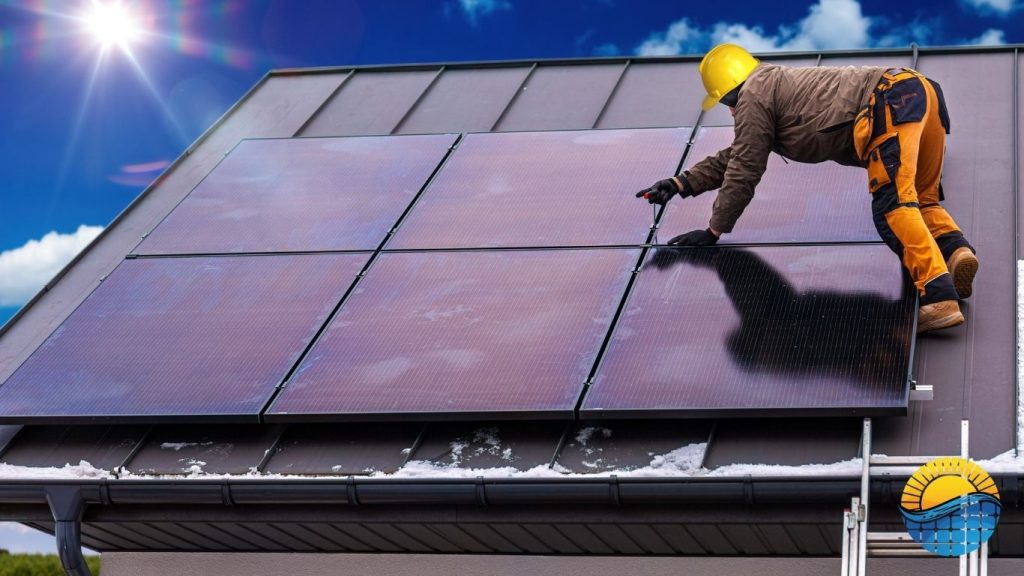
Reading through the risks and safety procedures might have you thinking twice about the DIY approach, and for good reason. For many homeowners, the safest, most effective, and ultimately most cost-effective solution is to hire a professional.
Consider hiring a professional if:
- Your solar panels are on a steep, high, or multi-story roof.
- You are not comfortable working with long-reach tools.
- Your area is prone to heavy, wet snow or ice buildup.
- You want the peace of mind that the job is done correctly and safely, without risk to you or your solar investment.
Professional solar panel maintenance crews have the right safety equipment (harnesses, ropes, etc.), specialized tools, and the experience to clear your panels efficiently without causing damage. They are insured, which protects you from liability in the rare event of an accident.
Find Your Local Expert with Clean My Solar Panels
Winter shouldn’t negate the benefits of your solar energy system. While a little snow is usually nothing to worry about, prolonged or heavy coverage can significantly impact your home’s power and your wallet.
Making the right choice starts with being informed. We hope this guide has empowered you to assess your situation confidently. If you’ve decided that tackling the snow yourself is too risky or your panels are simply out of reach, we are here to help.
Don’t let your energy savings get buried this winter. Use our simple, user-friendly directory. We’ll connect you with top-rated, local, and reputable solar panel cleaning professionals in your area. Get fast, free quotes and ensure your panels are cleared safely and efficiently, keeping your system running at peak performance all year long.