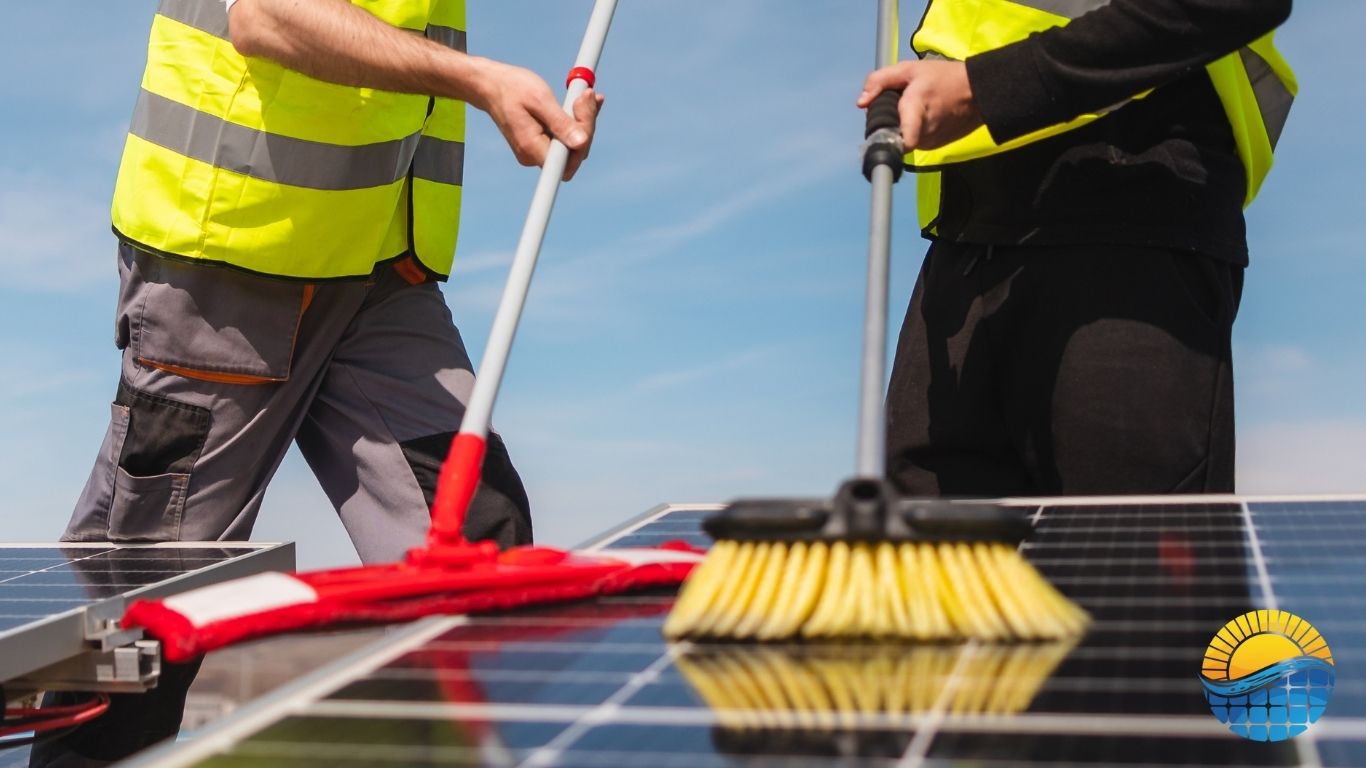
Cleaning Solar Panels from the Ground: A Complete Guide
By Adam, Founder, CleanMySolarPanels · June 21, 2025
Yes, you can clean solar panels from the ground — a telescopic pole, a soft-bristled brush, and a low-pressure garden hose are all it takes — but the electrical and warranty risks mean it's often not worth it. Panels are live electrical generators, and a wet aluminum pole touching a damaged panel or wire can create a path for lethal current.
Cleaning does pay, though: NREL puts typical annual soiling loss at about 5% of output, and more in dusty or pollen-heavy areas. For comparison, professional cleaning runs $110–$320 for most homes.
Below: the safe ground-cleaning method step by step, the tools you need, the risks nobody mentions, and when hiring a pro is the smarter call.
The Homeowner’s Guide to Ground-Level Solar Cleaning
As a homeowner with a solar panel system, you’re already making smart decisions for your energy future. So, it’s natural to wonder about the best way to maintain that investment, including how to clean your panels safely from the ground. It’s a great question, and understanding the process is key to protecting your system.
While a DIY cleaning might seem like a straightforward way to save money, it’s a task filled with hidden risks. Here at CleanMySolarPanels.com, we believe in empowering homeowners with all the facts. As the leading online directory for finding trusted, local solar panel cleaners, we’re here to guide you through the process so you can make the best choice for your home.
The Unseen Thief: How Grime is Costing You Money
First, let’s talk about why you need to clean your panels. That film of dirt, dust, pollen, and bird droppings is called “soiling.” It’s more than an eyesore; it’s a barrier that blocks sunlight from reaching the solar cells, significantly reducing their efficiency.
How significant is the loss? Studies by the National Renewable Energy Laboratory (NREL) put typical annual soiling loss at about 5% of output for a U.S. system — roughly 2% in wet climates, up to 7% where it is dusty or traffic-heavy, and near 10% across a year in pollen-heavy regions with peaks around 15%. Higher figures exist, but they come from deserts and heavy industry, not from a suburban roof. This shows that neglecting to clean your panels is a direct drain on your energy savings.
And don’t count on the rain to do the job for you. While a storm can wash away loose dust, it’s often ineffective against stubborn, sticky grime like tree pollen. In fact, light rain can mix with dust to form a cement-like layer that’s even tougher to remove.
Your Local Soiling Profile: A City-by-City Challenge
The type of grime affecting your panels is unique to your location. The industrial pollutants in Houston present a different challenge than the high-altitude dust in Denver, requiring a tailored approach to cleaning.
| City | Primary Soiling Concern(s) | Impact on Panels & Cleaning Challenge |
| Phoenix, AZ | Desert Dust, Hard Water Minerals, Monsoon Debris | Fine dust from storms coats panels and can form a hard, cement-like layer. The region’s notoriously hard tap water will leave damaging mineral deposits if used for cleaning. |
| Los Angeles, CA | Urban Smog, Wildfire Ash, Coastal Salt | A greasy film from smog and soot is common. Corrosive wildfire ash can also settle in thick layers that block sunlight and can degrade panel coatings over time if not removed properly. |
| Atlanta, GA | Heavy Tree Pollen, High Humidity | The infamous springtime “pollenpocalypse” blankets everything in a thick, sticky yellow layer that rain cannot remove, causing significant and persistent efficiency loss. |
| Houston, TX | Industrial Pollutants, High Humidity, Pollen | High humidity creates ideal conditions for mold and algae. A combination of heavy pollen seasons and industrial particulate matter from nearby plants creates a stubborn, grimy film. |
| Denver, CO | High-Altitude Dust, Wildfire Smoke, Sporadic Snowfall | Fine dust and ash from wildfires can travel long distances and settle on panels. Sporadic, light snow can melt and refreeze, trapping dirt against the panel surface. |
| Miami, FL | Corrosive Salt Spray, High Humidity, Bird Droppings | Constant, salt-laden air leaves a fine, corrosive residue that can degrade panel glass and frames. High humidity encourages biological growth. |
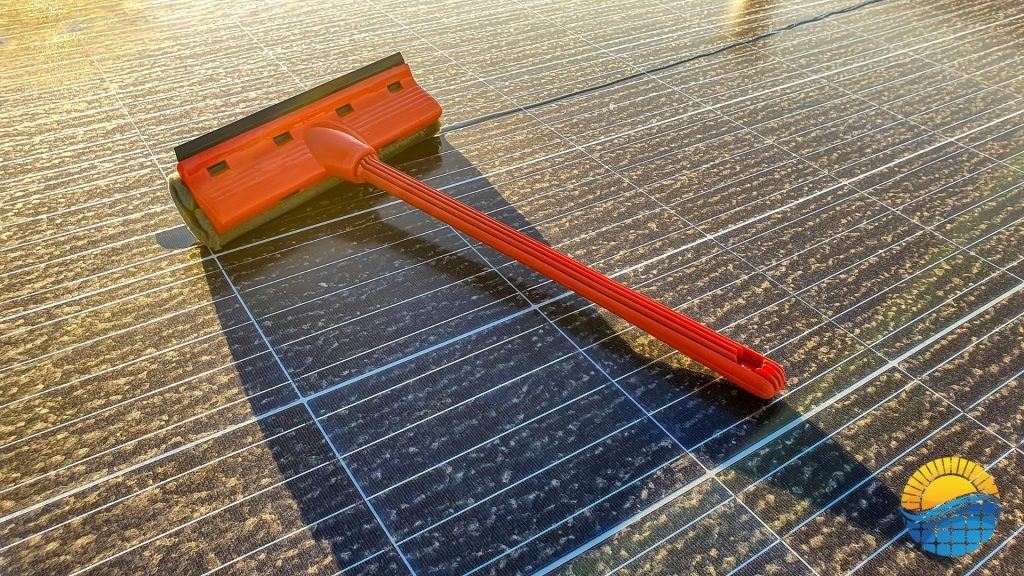
The DIY Approach: A Guide to Cleaning Your Panels from the Ground
For homeowners willing to take on the task, cleaning solar panels from the ground can seem manageable. However, it’s a technical procedure where following the correct process is essential to protect your safety and your multi-thousand-dollar investment.
Your Pre-Cleaning Safety & Sanity Checklist
- Consult the Manual: This is your non-negotiable first step. Your solar panel manufacturer provides specific guidelines for cleaning. Using unapproved methods (like a pressure washer) or harsh chemicals can permanently damage your panels and, critically, void your warranty.
- Shut It Down: For your safety, the entire solar panel system must be completely shut down before you begin. Follow the specific AC and DC shutdown procedure outlined by your installer to prevent electrical hazards.
- Timing is Everything: The ideal time to clean is on a cool, overcast day, or very early in the morning. Cleaning panels in direct, hot sunlight can cause thermal shock—a rapid temperature change from cool water hitting hot glass that can lead to micro-cracks or even shatter the panel.
The Essential Ground-Cleaning Toolkit
- Telescopic Pole: A high-quality, long extension pole is necessary to reach panels on a roof safely from the ground.
- Soft-Bristled Brush: A brush with very soft bristles, specifically designed for solar panels or cars, is mandatory. Never use a hard-bristled brush, as it will scratch the panel’s surface.
- Garden Hose with Adjustable Nozzle: A standard garden hose is sufficient for rinsing. The key is to use a gentle, low-pressure spray. Under no circumstances should you ever use a pressure washer.
- Bucket and Mild Cleaning Solution: If water alone isn’t enough, a simple mixture of water and a few drops of a gentle dish soap is all you need. Avoid all harsh chemicals, detergents, and glass cleaners.
The 4-Step Ground-Based Cleaning Method
- Initial Rinse: Gently spray the panels with clean water from the hose, working from the top down. This removes loose dirt and prevents you from grinding abrasive particles into the glass during scrubbing.
- Apply Solution & Scrub: Dip your soft brush into the bucket of cleaning solution. Attach the brush to the telescopic pole and gently scrub the surface of the panels. Use light, even strokes and avoid applying excessive pressure.
- Thorough Final Rinse: Once scrubbing is complete, rinse the panels thoroughly with clean water. It is imperative to remove all traces of the cleaning solution, as any residue left behind will attract more dirt.
- Drying: The best practice is to allow the panels to air dry naturally. To prevent water spots, especially in areas with hard water, you can use a soft rubber squeegee attached to the pole.
The Hidden Dangers & Inefficiencies of DIY Cleaning
The appeal of DIY cleaning is understandable, but the risks are significant and can threaten both your safety and your financial investment.
- The Ultimate Risk: Your Personal Safety: The most insidious threat is electrocution. Solar panels are active electrical generators. A person standing on wet ground, holding a wet, conductive aluminum pole that makes contact with a compromised panel or wire creates a direct path for a lethal electrical current. This is a life-threatening scenario highlighted by safety bodies like the Occupational Safety and Health Administration (OSHA).
- Protecting Your Investment: Improper DIY cleaning can inflict irreversible damage. A brush that is too stiff can create thousands of micro-scratches on the panel’s anti-reflective coating, permanently degrading its efficiency. A pressure washer can shatter the glass or force water past the seals, leading to complete panel failure.
- The Spotty Truth: The Unsolvable Problem of Tap Water: Most tap water in the U.S. is “hard,” meaning it’s full of minerals. When you spray hard water on your panels and it evaporates, it leaves behind a white, scaly film of mineral deposits that blocks sunlight, essentially replacing one layer of grime with another.
The Professional Solution: The Clear Choice for Safety and Performance
After understanding the risks, the value of professional solar panel cleaning becomes clear. It is a specialized service designed to mitigate risk and maximize your investment.
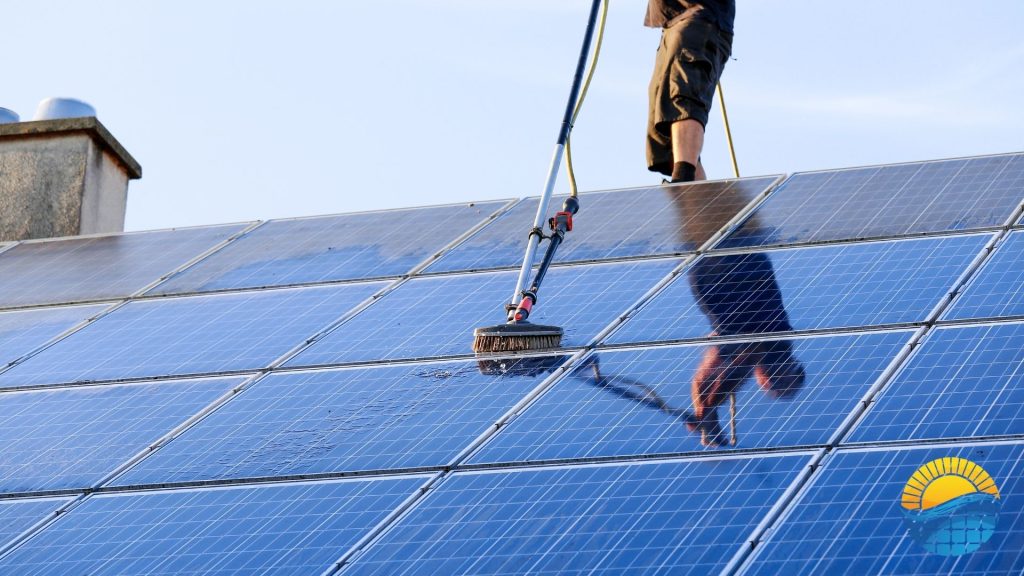
- The Pro’s Secret Weapon: Pure Water Technology: Professionals use water-fed pole systems connected to a mobile water purification unit. This produces deionized (DI) water, which is stripped of all minerals. It cleans more effectively and evaporates without leaving any spots or residue.
- More Than a Wash: The Value of a Professional Inspection: A reputable technician also performs a visual inspection of your array. They are trained to spot potential issues like hairline cracks, rust, or damaged wiring that a homeowner would likely overlook.
- Peace of Mind: The Ultimate ROI: Reputable professional solar panel cleaning companies are licensed and carry liability insurance. In the unlikely event of damage, their insurance covers the cost. If you damage your own panel, the financial burden is entirely yours.
The Cost of a Professional Clean: An Investment in Your System’s Future
When weighed against the potential for decreased energy production and costly damage, the fee for a professional service is a prudent investment.
| City | Average Cost per Panel | Average Total Cost (20-25 Panel System) |
| Phoenix, AZ | $6 – $13 | $150 – $400 |
| Los Angeles, CA | $8 – $25 | $200 – $500 |
| Atlanta, GA | $8 – $25 | $160 – $485 |
| Houston, TX | $7 – $15 | $175 – $450 |
| Denver, CO | $8 – $20 | $200 – $500 |
| Miami, FL | $8 – $25 | $150 – $330 |
This modest cost is significantly less than repairing a cracked panel (up to $450) or replacing an inverter damaged by water (up to $3,000).
Final Thoughts: The Smartest Decision for Your Solar Investment
The journey to understanding solar panel maintenance reveals a clear truth. While a ground-based DIY cleaning is technically possible, it’s a minefield of hidden risks to your safety, your warranty, and your panels themselves.
The professional solution, in contrast, deploys specialized equipment, pure water technology, and insured expertise to restore your system to its peak potential safely and effectively. The choice is between accepting unnecessary risk and making a prudent investment in maintenance.
Don’t gamble with your safety or the health of your solar system. To protect your home, your warranty, and your energy savings, find a vetted, insured, and local professional. Use our website directory today to get a free, no-obligation quote from a trusted expert in your area.